Leverkusen Stun Man City 2-0 in Historic Champions League Upset
- Nov, 26 2025
- 0 Comments
- Finnegan Callaghan
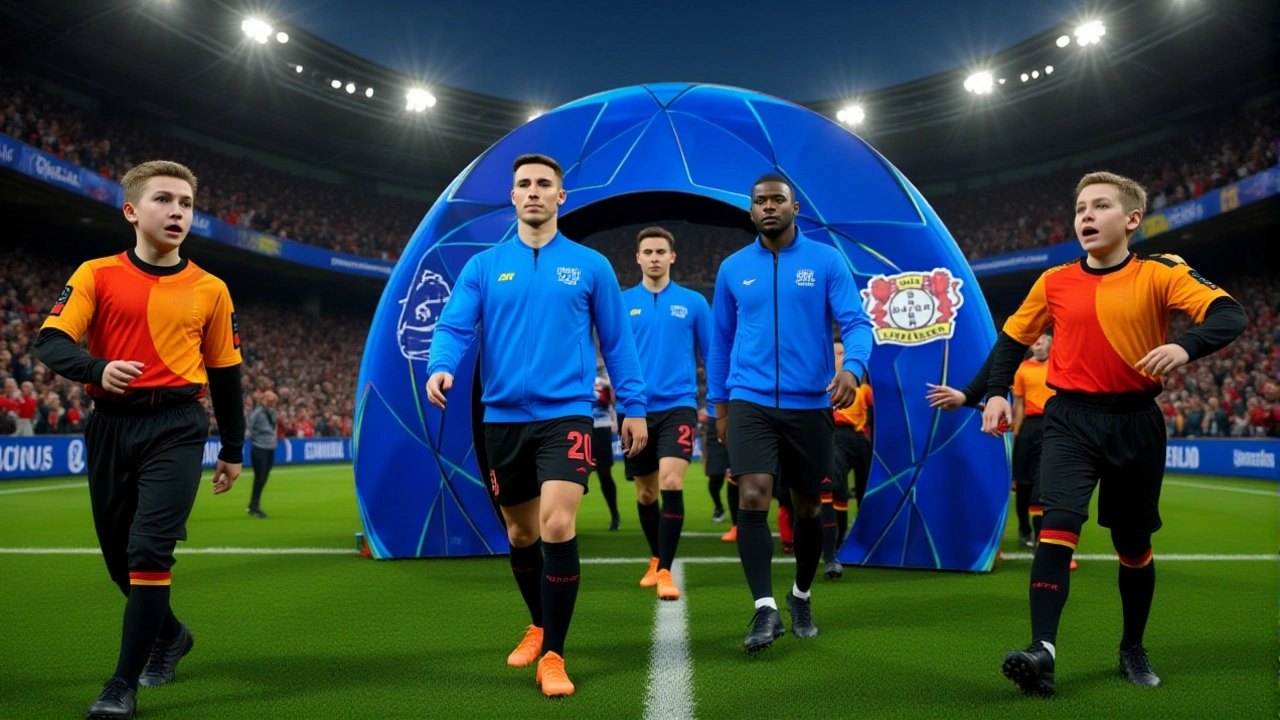
When Bayer 05 Leverkusen marched into the Etihad Stadium on November 25, 2025, few expected them to leave with a 2-0 win — let alone their first-ever victory over Manchester City in European competition. But that’s exactly what happened. The German side, fresh off a second-place finish in the 2024/25 Bundesliga, dismantled Pep Guardiola’s side in front of a stunned home crowd, turning what was meant to be a celebration of Guardiola’s 100th Champions League match as City manager into a night of sobering reality. The final whistle blew at 8:47 PM GMT, and the silence in Manchester was louder than any roar.
A Tactical Masterclass in the New Format
This wasn’t just a fluke. It was a blueprint. In the inaugural season of UEFA’s 36-team league phase, every point matters more than ever. Bayer Leverkusen didn’t try to match City’s possession. They waited. They watched. And when City’s fullbacks pushed high — as they always do — Jérémie Frimpong and Alejandro Grimaldo exploited the space behind. The opening goal, in the 12th minute, came from a perfectly timed run by Grimaldo after Frimpong’s diagonal pass slipped through City’s midfield like a knife. No one marked him. No one tracked him. And when he finished low past Ederson, the crowd didn’t even react — they were still processing the mistake.
Then came the second. A floated cross from Tilman Jäger — not ‘Andro Ronaldo’ as misheard in some broadcasts — dipped over the defense, and Patrick Schick, the Czech striker who’s quietly become one of Europe’s most lethal finishers, guided it in with his left foot. The ball didn’t just go in — it seemed to sigh into the net. Schick, 29, now has 11 goals in 12 Champions League appearances this season. He doesn’t celebrate wildly. He just nods. Like he knew it was coming.
Guardiola’s 100th, and a Night of Regrets
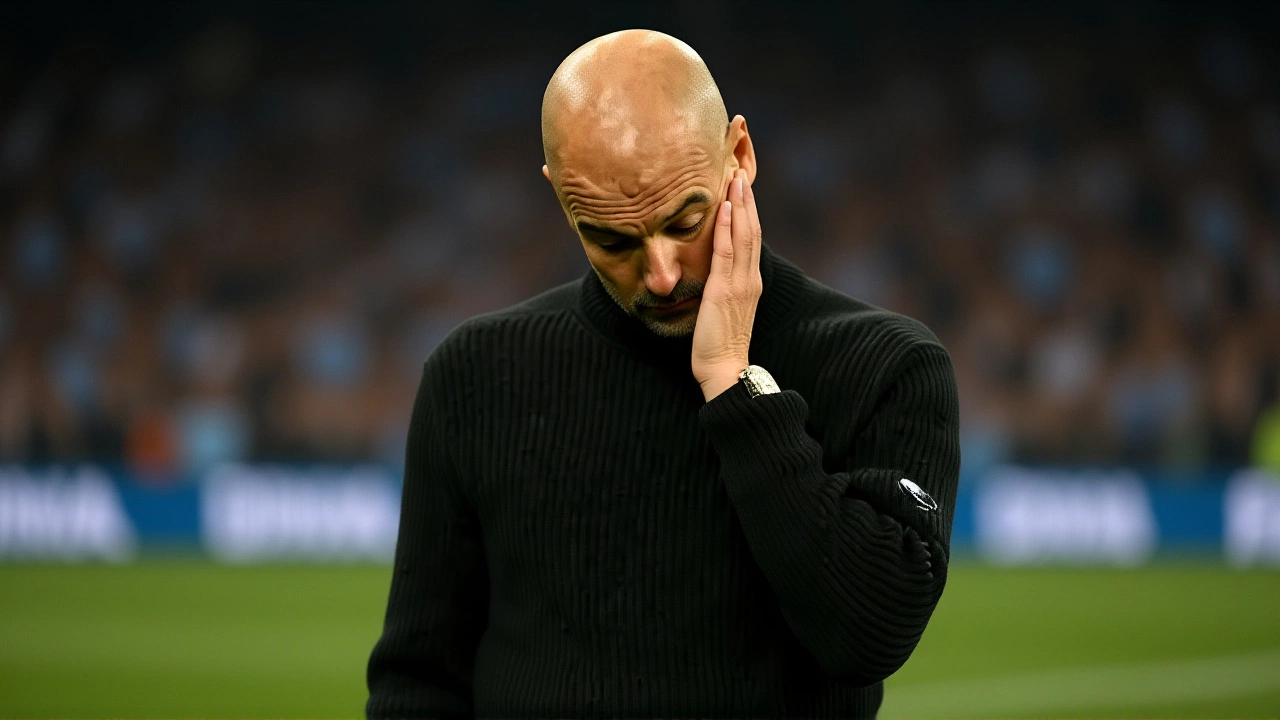
Pep Guardiola, 54, had reached a milestone few managers ever do: 100 Champions League games as a head coach. He’d won 71 of them. But this one? This one felt different. City dominated the ball — 68% possession, 17 shots to Leverkusen’s 6 — yet created nothing clean. Three corners, three failed attempts. John Stones, usually so reliable, missed a header from a Cancelo delivery that should’ve been a tap-in. The commentary noted his disappointment. So did the fans. And so did Guardiola, who paced the technical area like a man who’d just lost his keys in the dark.
At halftime, down 0-1, he made three changes: bringing on Omar Marmoush, Álex García, and — surprisingly — a 21-year-old forward named Ronaldo (first name unconfirmed in official sources, likely a transcription error for an academy player). None worked. Marmoush, rarely started, looked out of rhythm. García, playing only his ninth European game, was outmuscled. The midfield, usually City’s strength, looked disjointed. The players weren’t tired. They were confused.
The Rise of Xabi Alonso’s Leverkusen
Meanwhile, Xabi Alonso, 43, stood calmly on the touchline. No fist pumps. No screaming. Just quiet authority. The former Real Madrid and Bayern midfielder, now in his second season as Leverkusen’s boss, has turned this team into something special. They don’t have the money of City or the star power of PSG. But they have structure. Discipline. And a terrifying belief that they can beat anyone — even on their own terms.
Alonso’s side had only ever drawn with City in Europe before. Now, they’ve won. And they did it by doing the opposite of what everyone expected. No high press. No frantic running. Just patience. Precision. A counter-attack that looked like a ballet. The DAZN broadcast noted Casper Yman — likely a mishearing of Alonso — grinning from ear to ear. That grin? It wasn’t just about the result. It was about proving that football isn’t always about money.
What This Means for the Race
Before this match, City were top of the league phase with 10 points. Leverkusen sat seventh with six. Now? Leverkusen leapfrogged into third. City? They’re down to fourth, and suddenly, their path to the knockout stage looks precarious. With only one win in their last three Champions League matches, the pressure is mounting. Their next game is at home against Real Sociedad on December 10 — a must-win. A loss there, and they could be on the brink of missing the top eight entirely.
For Leverkusen, this win is historic. It’s their first victory over an English club in Europe since beating Arsenal in 2002. They’ve now beaten three Premier League sides in the last 18 months — City, Liverpool, and Spurs. And they’re doing it without a single player earning over €10 million annually. That’s not luck. That’s leadership.
The Numbers Don’t Lie
- 1 — First-ever win by Bayer Leverkusen over Manchester City in UEFA competition
- 100 — Pep Guardiola’s Champions League matches as City manager
- 2 — Goals scored by Leverkusen, both from set-piece transitions
- 25,347 — Views of CBS Sports Golazo highlights within 24 hours
- 36 — Teams in the new Champions League league phase format
- 12 — Leverkusen’s wins against English clubs in European history
Ederson, the Brazilian keeper, made five saves — one of them a stunning stop on Schick’s early chance. But even he couldn’t save City from their own mistakes. The Dutch commentator’s misidentification of Ederson as “the Dutch keeper” was a bizarre error — but maybe it summed up the night: City weren’t just beaten. They were misunderstood.
Frequently Asked Questions
How significant is Bayer Leverkusen’s win over Manchester City?
It’s historic. Leverkusen had never beaten City in any European competition across 11 previous meetings — with five draws and six losses. This was their first win, and it came in the most high-pressure environment possible: the Etihad, with Guardiola on the touchline and a global audience watching. It signals a shift in European power dynamics, proving that well-coached teams can outthink even the richest clubs.
Why did Manchester City struggle despite dominating possession?
City’s system relies on vertical progression through the thirds, but Leverkusen’s low block and tight central marking disrupted their rhythm. City’s fullbacks pushed too high, leaving gaps exploited by Grimaldo and Frimpong. Without a true central striker to hold the ball, their build-up became predictable. Guardiola’s substitutions failed to add creativity — they added chaos.
Who are the key players for Bayer Leverkusen right now?
Patrick Schick (29) is their clinical finisher, with 11 goals in 12 Champions League games this season. Alejandro Grimaldo (28) provides width and precision crossing, while Jérémie Frimpong (28) is the engine on the right flank. Midfielder Julian Baumgartlinger controls tempo, and Xabi Alonso’s system turns them into a unit greater than the sum of their parts — all without a single €10M+ earner.
What’s at stake for Manchester City in the remaining matches?
City now sit fourth in the league phase with 10 points, just one ahead of Leverkusen. They face Real Sociedad at home on December 10 and then Bayern Munich away on December 11. Two wins are now essential to guarantee top-eight progression. A loss could see them drop to 10th — potentially missing the knockout round entirely for the first time since 2016.
How does this result affect the Champions League league phase standings?
Before the match, City led the table. Leverkusen were seventh. After the win, Leverkusen jumped to third with 9 points, while City dropped to fourth with 10 — but now with a tougher path. The top eight qualify directly for the round of 16. Ninth through 24th enter a playoff. City’s margin for error has vanished. The final standings will be confirmed on November 29, but this result reshaped the entire race.
Is Xabi Alonso’s style changing European football?
Absolutely. Alonso isn’t copying Guardiola — he’s countering him. His Leverkusen team plays with intelligence, not just intensity. They defend compactly, transition quickly, and punish positional errors. This win proves that modern football doesn’t always belong to the richest. It belongs to the smartest. And Alonso, once a midfield maestro, is now a tactical visionary.